Goretti Novel
Historical novel interrogating the myth of Saint Maria Goretti
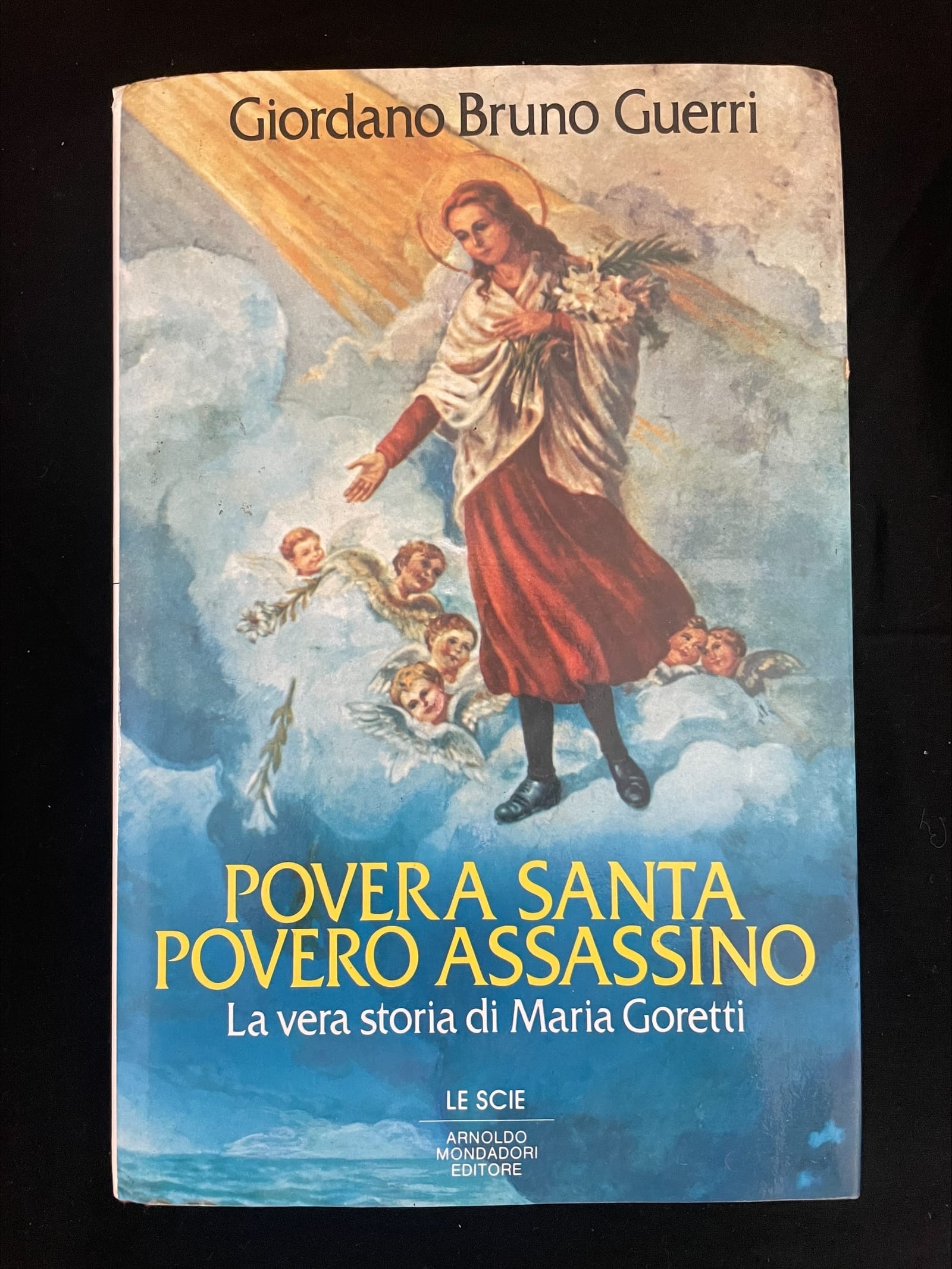
The story goes that in 1902, an Italian girl named Maria Goretti faced a grave temptation. A man implored her to give what should only be given in holy matrimony. But Maria, overflowing with virtue, declared she would rather die. In turn, this man stabbed her fourteen times. On her dying breath, she forgave him and wished only for his salvation. Canonized as a virgin martyr, she became one of the youngest, most beloved saints in Catholic history.
A century after her death, in 2002, I heard this version of Maria’s story in my 8th grade sex education class. As an Italian girl myself, I connected with her in both earnestness and horror. Could I be good like Maria? Am I brave enough to die for my virginity?
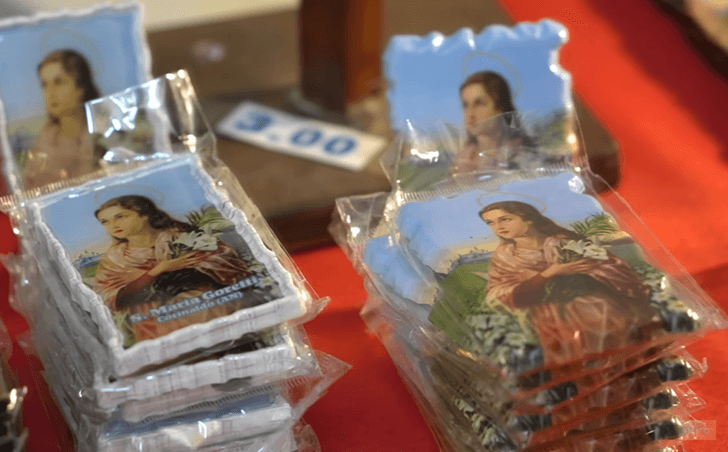

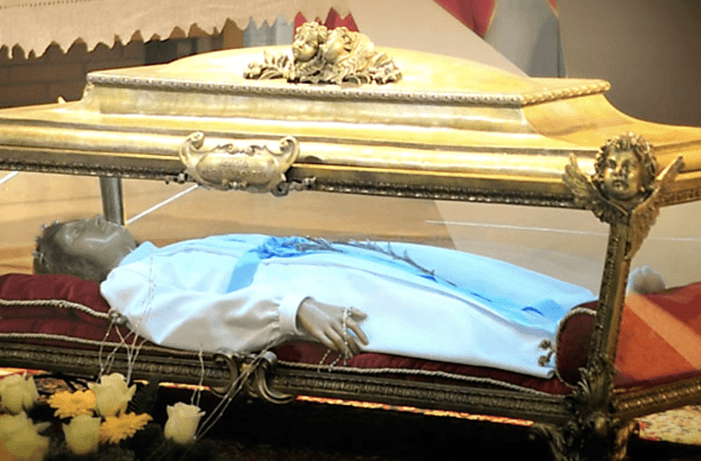
Today, one in three women will experience physical or sexual violence in their lifetime. Meanwhile, Maria’s skeleton tours the U.S., stopping at 54 churches to remind girls to be pure, chaste, and forgiving. This dissonance led me to ask not only what actually happened to Maria, but also who benefits from continuing to tell this version of her story.
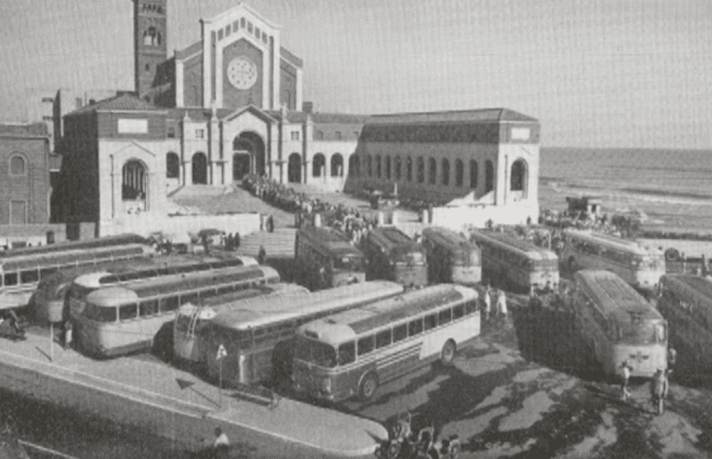
The Goretti Novel (title TBD) is set in the 1902 Nettuno, Italy, and the surrounding malarial marshes where Maria died. Told through the eyes of a Catholic nurse, we witness the events following 11-year-old Maria’s attempted rape and murder and how moral, civic, and economic institutions collaborated to transform a story of violence into a disciplinary parable of purity for girls.
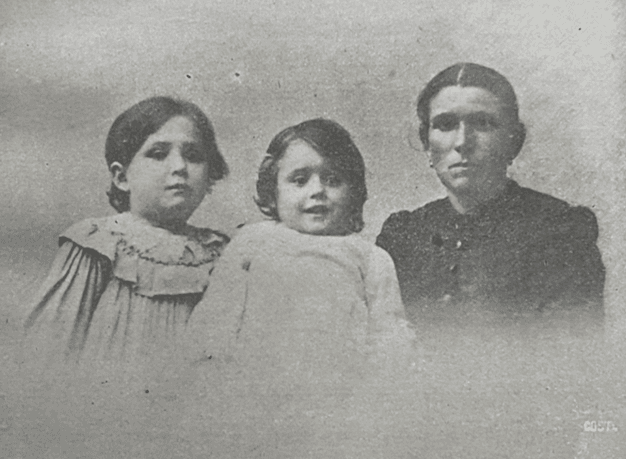
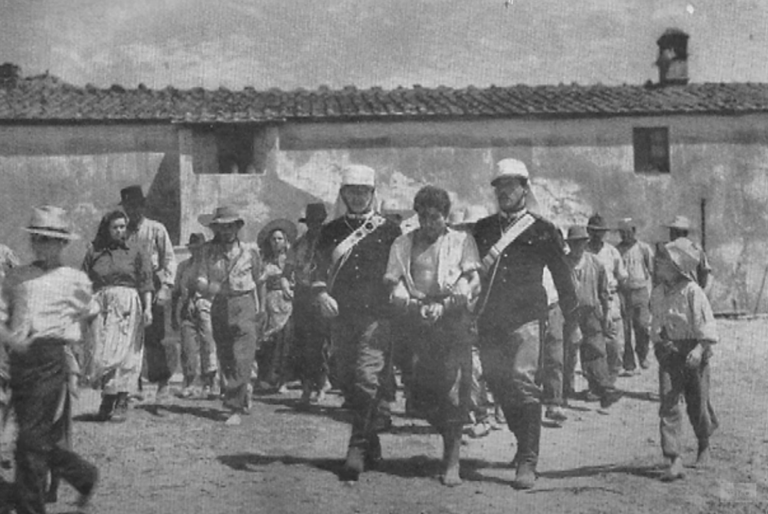
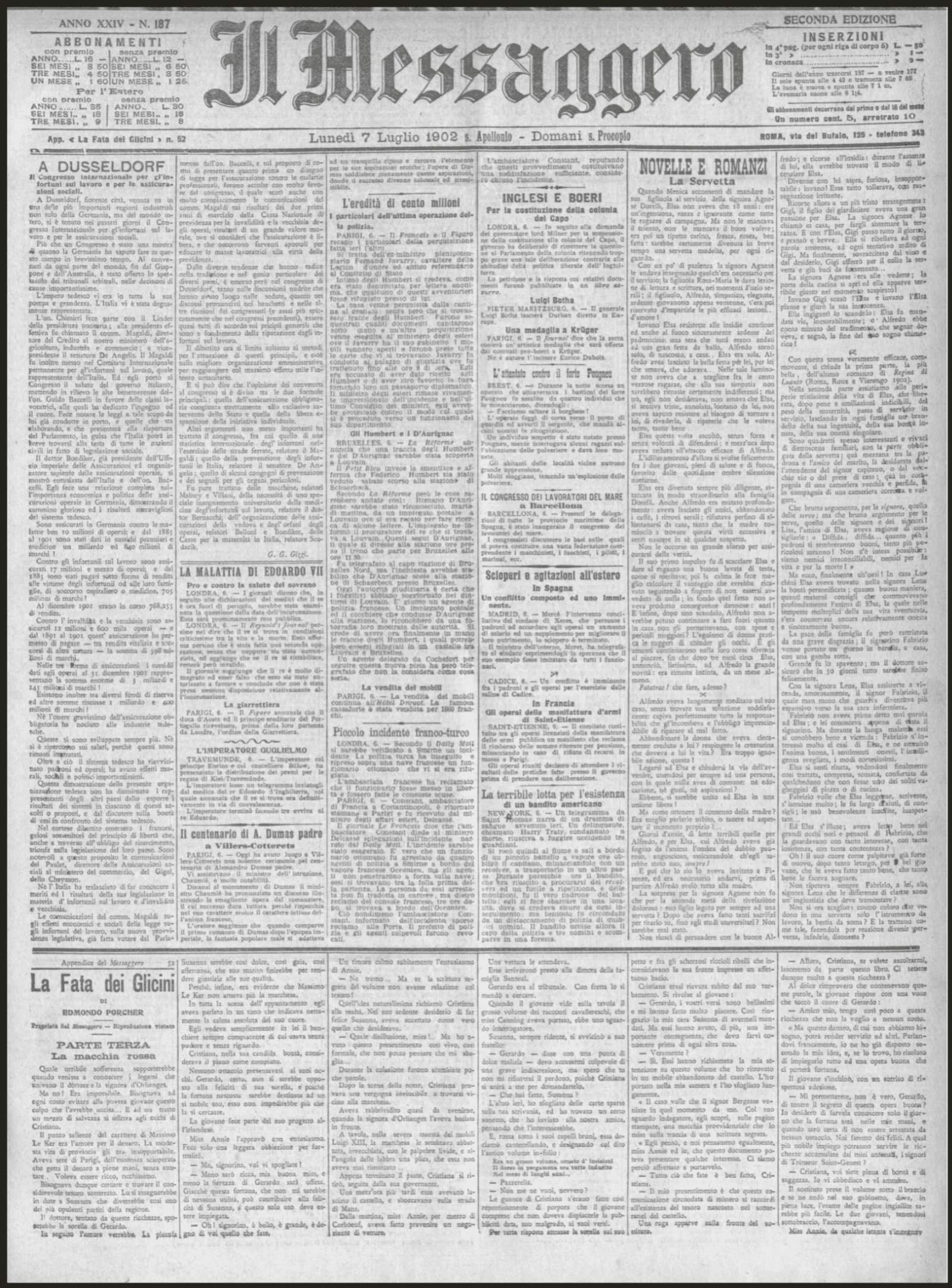
I’ve conducted extensive archival research including translating primary sources that were previously only available in Italian (e.g. newspapers, court records, tribunal transcripts, and devotional texts). I’ve applied a feminist lens throughout to analyze the systems of power and control.
While the Goretti Project is rooted in historical realism, this is a work of fiction that invites readers into the rooms where Maria’s story was shaped and into the hearts of those who live with its consequences.
More to come!